
GP-led care for Long Covid, POTS and fibromyalgia
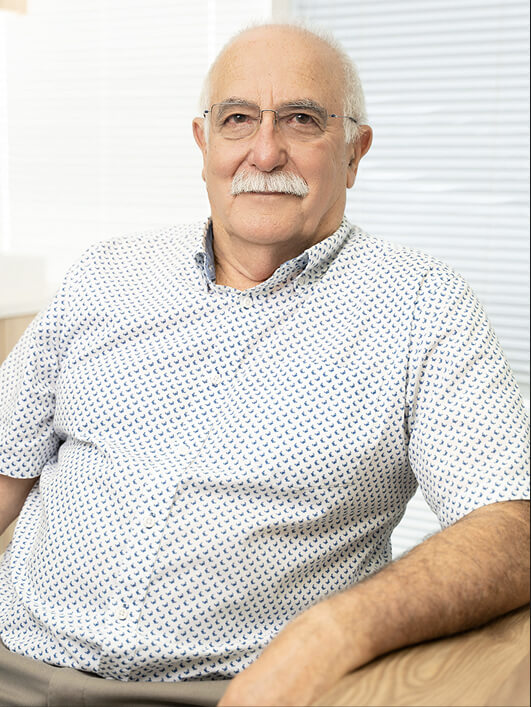
Some health conditions are complex, overlap with one another, and don't fit neatly into a single box. Our clinic offers in-depth assessment and ongoing management for Long Covid, POTS, dysautonomia and fibromyalgia, led by Dr Graham Exelby. Dr Exelby has worked with patients who have these conditions for more than 20 years, and has researched and collaborated with other health professionals and scientists to better understand them.
The conditions we assess
Long Covid
Some people don’t fully recover after a COVID-19 infection and, weeks or months later, are still dealing with symptoms that affect daily life. These can include ongoing fatigue, breathlessness, cough or chest tightness, heart palpitations, a hoarse voice, problems with memory and concentration often called brain fog, changes to taste or smell, joint and muscle pain, and disturbed sleep.
POTS and dysautonomia
POTS, or postural orthostatic tachycardia syndrome, affects the part of the nervous system that controls automatic functions like heart rate and blood pressure. People with POTS often notice a racing heart, dizziness, fatigue and brain fog, especially when standing. POTS is one form of dysautonomia, the broader term for problems with this part of the nervous system.
Fibromyalgia
Fibromyalgia involves widespread pain, fatigue and sleep problems. It can overlap with the conditions above, and with others such as migraine, autoimmune conditions and chronic fatigue.
A focus on the underlying causes
Our approach is a little different. Rather than only managing symptoms, the focus is on identifying and addressing what's driving your condition. Day-to-day symptom control, such as managing heart rate or blood pressure, is usually looked after by your GP or cardiologist. This clinic works alongside them, concentrating on understanding the causes of your symptoms to guide a long-term management plan.
What can contribute
There isn't one single cause. Things that may play a part include a past physical injury, an infection, dietary factors, other health conditions, and ongoing inflammation in the body. Part of the assessment is looking at the whole picture to understand what may have set your condition off, which Dr Exelby calls 'activators', and the ongoing 'drivers' that may be keeping it going.
Your first appointment
Your first appointment is a thorough assessment, and it's much longer than a standard consultation, usually two to three hours. How long it takes depends on how complex your situation is and how much information you've sent in beforehand. During this appointment, Dr Exelby will:
- Review your medical history in detail, often going back many years
- Go through your completed questionnaires, test results and previous reports
- Look for possible triggers and the ongoing factors that may be keeping your symptoms going
- Work out which further investigations or specialised imaging you may need
- Begin putting together a management plan with you
Before your appointment
To make the most of your first visit, you'll need to send some information in ahead of time. This includes your completed questionnaires and all relevant medical records, test results and imaging. Please submit these at least 14 days before your appointment, or 21 days ahead if you're an interstate patient. If information is missing, it can delay your care or mean an extra appointment is needed.
Tests you may need
Most patients need some further investigations to build a full picture. Depending on your history, these may include specialised imaging, pathology, or functional testing. Dr Exelby will explain what's being looked at and why.
Follow-up and ongoing care
Follow-up appointments are usually 45 to 60 minutes and are commonly scheduled around three months later, to review your results and adjust your management plan. With your okay, your plan can be shared with your GP, so everyone involved in your care is working from the same information. For interstate patients, follow-up appointments can be done by telehealth.
Costs
These are longer consultations, so fees apply, and our reception team will explain the costs when you book. Some of the therapies that may be recommended, such as specialised physiotherapy or acupuncture, aren't always fully covered by Medicare.
Quick facts
Led by
Dr Graham Exelby
Conditions
Long Covid, POTS, dysautonomia and fibromyalgia
Initial consultation
Typically 2 to 3 hours
Follow-ups
Usually 45 to 60 minutes, around 3 months later
Telehealth
Follow-ups only, for interstate patients
Frequently asked questions
Do you treat my symptoms directly?
Not directly. Day-to-day symptom control, such as managing heart rate or blood pressure, is usually looked after by your GP or cardiologist. This clinic focuses on identifying and addressing the underlying causes of your condition, working alongside your other doctors.
Why is the first appointment so long?
These conditions are complex and often involve several body systems. A detailed history and a careful review of your investigations take time, and they're essential to understanding your condition and guiding your care.
What do I need to do before my appointment?
You'll need to complete some detailed questionnaires and provide all relevant medical records, test results and imaging. Please send these in at least 14 days before your appointment, or 21 days ahead if you're an interstate patient. Missing information can delay your care.
Will I need further tests?
Most patients do. Depending on your history, these may include specialised imaging, pathology or functional testing. Dr Exelby will explain what's needed and why.
Will I receive a management plan?
Yes. You'll be given a management plan that's adjusted over time as your results come in and your situation changes. With your okay, it can also be shared with your GP.
Are there additional costs?
These are longer consultations, so fees apply. Some recommended therapies, such as specialised physiotherapy or acupuncture, aren't always fully covered by Medicare. Our reception team can explain what to expect.